2019
Increase in ease of use, clarity and availability of information*
*as measured by pre- and post-launch surveys
Context
HealthEquity is a health-benefits company that manages health savings accounts (HSAs), flexible spending accounts (FSAs), and other types of reimbursement accounts. After member account holders have accumulated a certain amount of savings in their HSA, they can invest the excess in an assortment of mutual funds. At the time this was advertised to the member when it initially rolled out, and a reminder lives on their dashboard, where investing is a top-level page navigation item.
Problem
Despite high excitement and a large number of eligible members visiting the investment page after its rollout, there were relatively few signups compared to other features on rollout.
Research
Analytics showed a significant dropoff rate during onboarding, mostly during the first two or three pages of the process. We also engaged our Customer Experience group to solicit targeted feedback at multiple points during onboarding, and even after completion just to catch those who may have wanted to leave the process, but powered through anyway.
Analysis
Digging carefully through the analytics data and collected feedback, we discovered that many members were surprised by a long, intimidating process with dense financial data, lengthy terms of service, and a large set of fund choices, more reminiscent of a traditional banking-focused investment experience. This was determined to be a huge misalignment with member expectations, especially when the initial goal of HSA investing was to have an easy way to help members grow their saved HSA funds.
Opportunities
This led us to theorize that the best way to drive an increase in onboarding completion would be to simplify the entire onboarding experience, focusing on members who are far more likely to have no prior experience with investing. This could include:
Start with the value proposition up front in less jargon-heavy terms: that members can grow their savings account by investing excess funds
Streamline the entire process so that a member could complete onboarding in a few minutes
Move the more technical details off-page, but easily accessible via links to modal windows
Move the terms and conditions to the end of the process so that they could read and accept after they had already made the choice to invest
During some initial brainstorming at the whiteboard, we relied heavily on the expertise of the investment product managers who had more experience in that space than we did. This collaboration proved invaluable when starting to frame the process, improving empathy for investing members, whether experienced investors or beginners.
We spent the first couple of sessions on paper and the whiteboard, then I put together some initial ideas in Sketch to give us a starting point. The first goal to follow was decreasing the number of pages to two and simplifying the language wherever possible.

Some early notepad sketches exploring content strategy
Testing and Iteration
Early testing showed positive responses, with some additional room to streamline the language. We contacted one of our biggest clients who happened to have offices close by and arrange for a series of testing sessions to make some direct observations and get on-the-spot feedback.
After another couple of rounds of design working closely with internal stakeholders, we came to a much more straightforward design that accommodated both inexperienced and expert investors alike.
Final Design
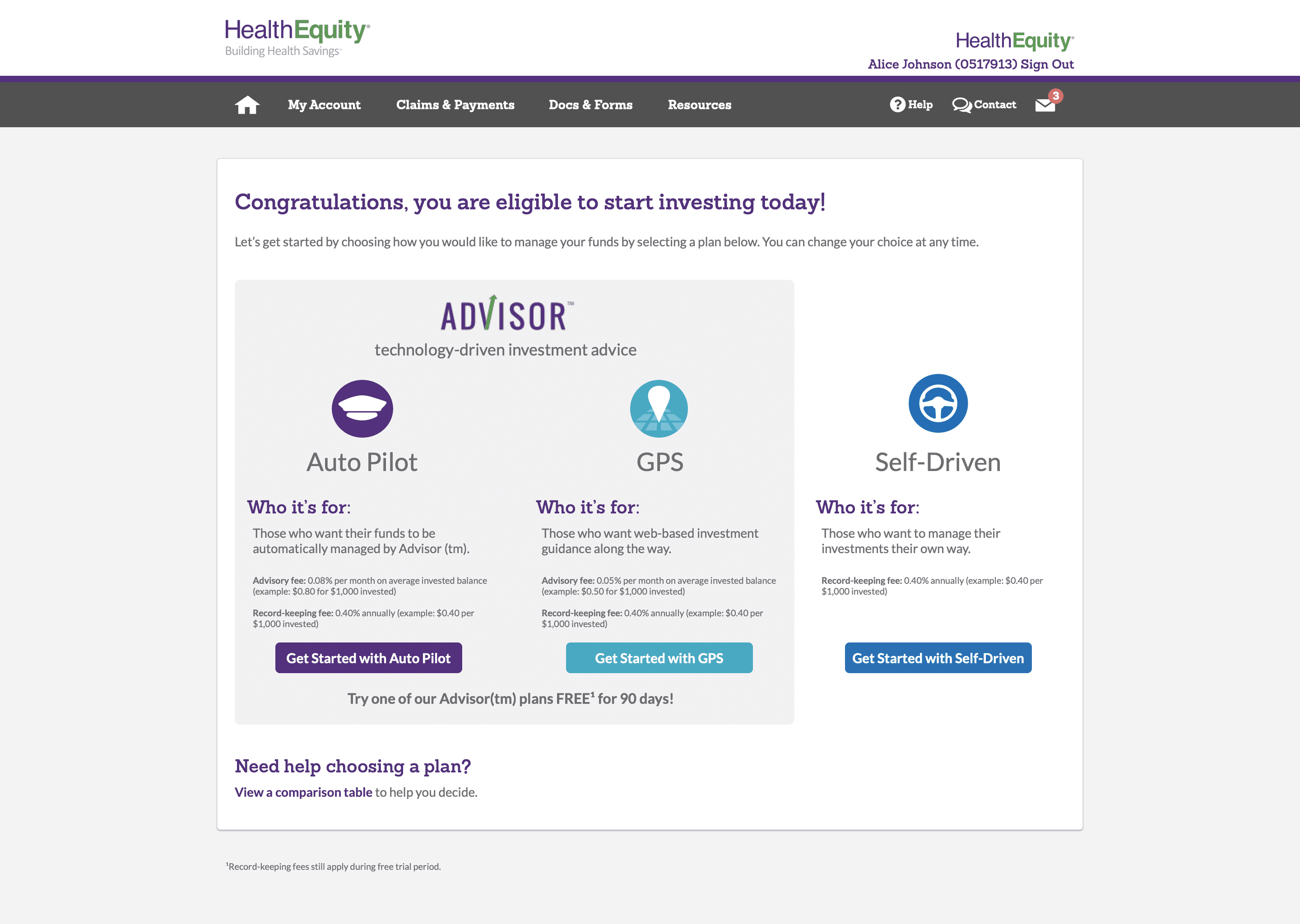
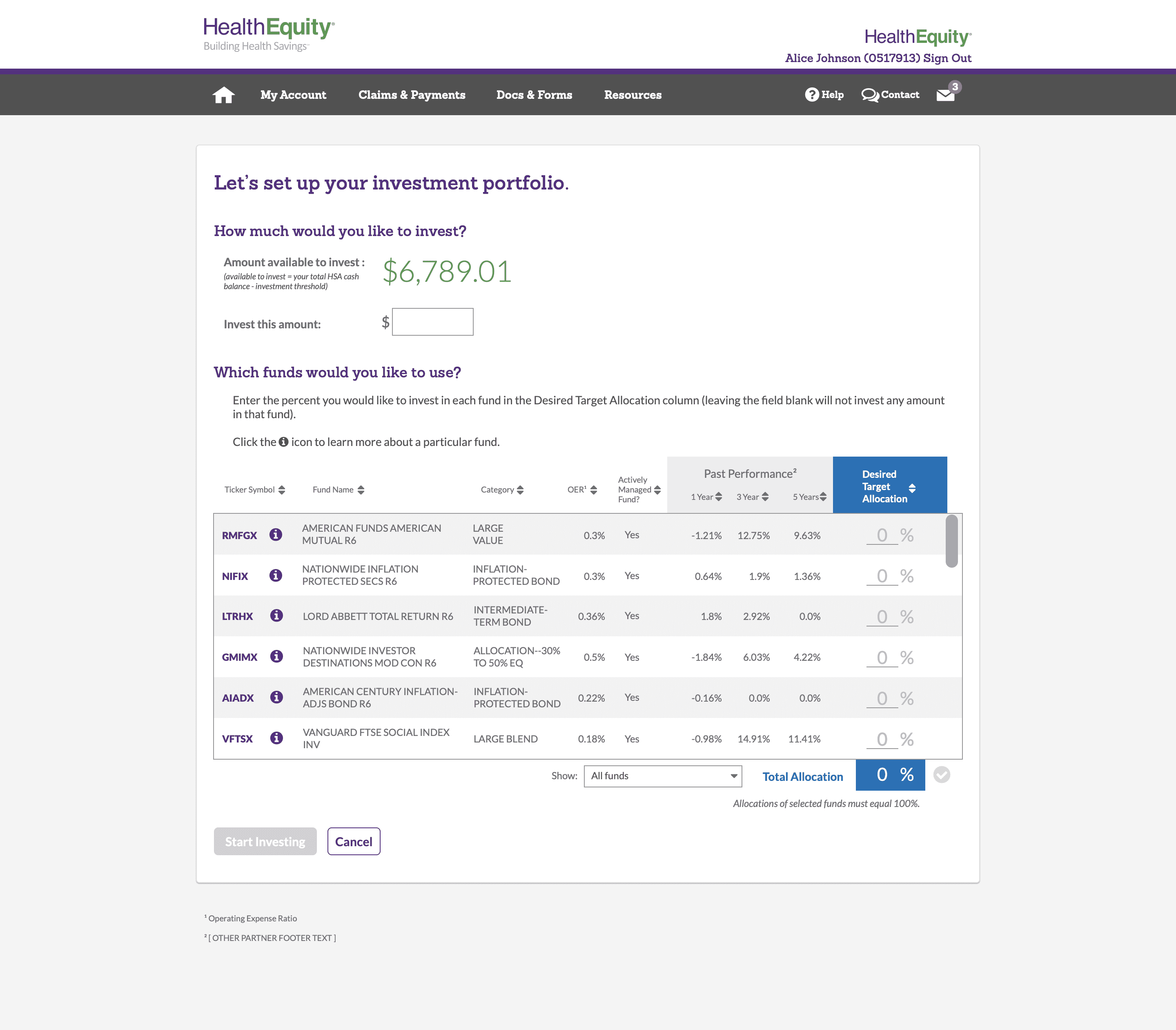
The updated plan selection and setup screens — the member would first be offered the choice to use a guided plan
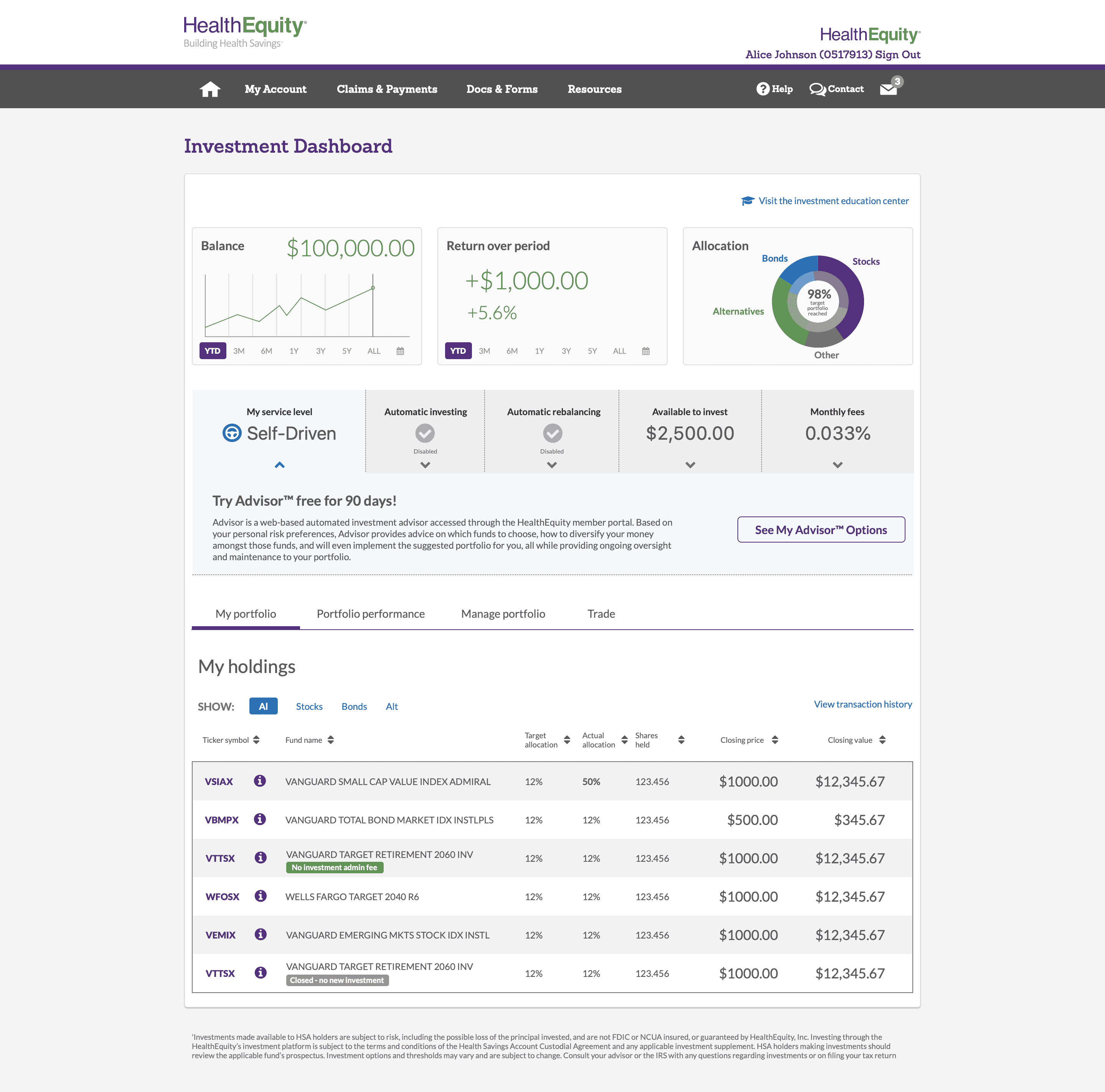
The updated onboarding screen and dashboard
Lessons Learned
The biggest challenge by far with this project was trying to align the most straightforward language possible with specific language requirements from our Compliance and Legal departments. Their responsibility was of course to make sure that we followed our SEC regulations, and so any UX language had to fall within those guidelines.
The end result spoke for itself with a huge increase in completion rate and a vastly decreased average completion time. Some key takeaways:
A broad collaboration with stakeholders across many departments was key to making the new onboarding process a success. Without the help of internal investment, compliance, legal, and customer experience experts, we couldn't have delivered the end result that we did.
Testing with participants from all across the spectrum of investing experience was critical to find a solution to meed the needs of both.